Starring Alexa: Train To Design Voice Experiences That Connect
Sales ended

Starring Alexa: Train To Design Voice Experiences That Connect

0 followers3 events6y hosting196 total attendees
BerlinBerlin, Berlin
Thursday, February 21-Friday, February 22, 2019  •  9:30 AM-4:30 PM
Overview

We'd like to invite you to a two day workshop intended for user experience designers, product managers and writers to learn voice-first interface (VUI) design that moves people.

Our workshop is driven by observation, that designing for convincing voice-first experiences is closer to the practices of creating theatre plays or movie scripts than it is to the usual user interface design process.

The reason: voice and language inherently carry more power to create emotional bonds through empathy and storytelling. This power goes both ways: when things go wrong, stronger negative emotional reactions are also more likely to happen. With higher power, along comes a higher set of expectations we are yet to meet.


During the training you will learn to:

  • think out of the box when creating for voice using parallels to play- and scriptwriting

  • utilize the available tools for voice application design

  • establish the optimal process when designing voice-first applications

  • use the limitations of the assistants to your advantage

  • create compelling voice personas with a unique character


WHO SHOULD ATTEND

user experience designers, product managers, writers, creatives.

Special shout out for writers or content creators: your role has never been as important in the product design process as it is when it comes to voice. We don’t have to tell you that speech intended to be HEARD is different to text intended to be READ, plus the reader is an algorithm whose range and possibilities you have to know well. Please don’t hesitate to join us!


WHAT WE WILL DO

Introduction to the world of voice: testing and deconstructing voice applications – what works and what’s missing?

  • Part I: How to run an effective product discovery for voice?

  • Part II: Necessary tools for prototyping and writing for voice

  • Part III: Scenarios as functional design

  • Part IV: Develop your characters

  • Part V: Learn to write for voice

  • (Part VI: basics of sound engineering for recorded voice)

  • Part VII: Get creative with what you have learned


WHY VOICE?

Alexa, … Ok Google …., Hey Siri…: tech giants Amazon, Google, Microsoft, and Apple are stepping up their game to bring voice interfaces to the mass market, with the installed base of devices running on digital assistants increasing rapidly. With that, a plethora of new ways to solve user problems has opened up with accessible tools to make your ideas come to life. Yet most of the thousands of voice applications still fail the users functionally, but even more so in creating a bond that is uniquely possible in voice.

We are convinced: the biggest challenge is to shift our minds from words written for visual interpretation, pictures and buttons. Our goal is to have you RETHINK and RELEARN writing, design and product development processes when it comes to voice in order to create amazing interfaces your users will fall in love with.


YOUR TRAINERS:

Together, we bring a unique alchemy of really different backgrounds and experiences within and outside VOICE.


Karile Klug:
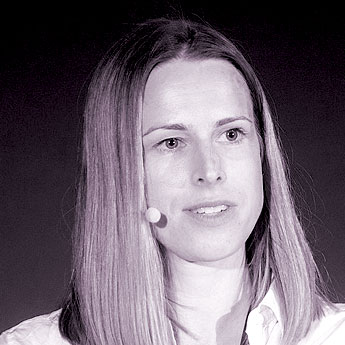
headshot of Karile Klug

After over 10 years in various innovation management roles in tech companies (TomTom, XING) I have discovered VOICE technologies and sparks started flying.

As a sociologist by training, I am fascinated by first authentic conversations between humans and machines, and the potential of relationships between us. This has led me to switch gears, putting together a team of experts, who consult and develop voice applications (www.samsilverlake.com). I am also an organizer of hackathons (check out talktome.berlin), bringing together technologists and businesses who want to explore the magnificent potential of VOICE.


Dirk Platzek
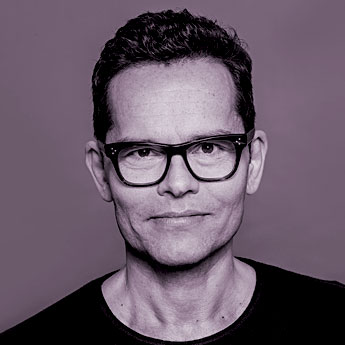
headshot of Dirk Platzek

I am a dancer and human centered designer. As a dancer, I became an expert on how to connect with an audience.

After my dancing days, I earned an MFA in Design and Technology from the Parsons School of Design in New York. I majored in physical computing because I wanted to explore the possible relationships between man and machine. In 2000 I founded my company Wunschfeld, a design studio for digital products and services.

In addition to my work as a designer I work as a lecturer and speaker and do research on the topics of empathy and coded connection.


Stefan Kollmeier

headshot of Stefan Kollmeier

Hey there! The fastest way to introduce myself is through a hashtag: #rational-verrückt.
On the rational side of this hashtag is me the engineer with more than 8 years experience in various corporate functions from engineering to controlling to strategy. I am currently working as an organizational developer trying to inspire a digital corporate culture. Here I use various agile methods derived from my certification as a UX designer.
This also directly relates to the crazy side of the hashtag: improv. What started 2005 as a hobby after school quickly turned into a passion and then into a profession. In 2010 I founded the KurzFormChaos Improtheater. Together with them and several other professional and international ensembles I apply improv to a business context and combine it e.g. with Design Sprints to add a new dimension of creativity and empathy to these methods and to inspire leadership, collaboration and innovation. I love to connect different disciplines with each other. That's why I co-founded the Applied Improv Barcamp that connects theatre, science and business as well as the Darmstadt Improv Festival. The evolution of Voice Interfaces fascinates me because of the close connection of technology and emotion.


We'd like to invite you to a two day workshop intended for user experience designers, product managers and writers to learn voice-first interface (VUI) design that moves people.

Our workshop is driven by observation, that designing for convincing voice-first experiences is closer to the practices of creating theatre plays or movie scripts than it is to the usual user interface design process.

The reason: voice and language inherently carry more power to create emotional bonds through empathy and storytelling. This power goes both ways: when things go wrong, stronger negative emotional reactions are also more likely to happen. With higher power, along comes a higher set of expectations we are yet to meet.


During the training you will learn to:

  • think out of the box when creating for voice using parallels to play- and scriptwriting

  • utilize the available tools for voice application design

  • establish the optimal process when designing voice-first applications

  • use the limitations of the assistants to your advantage

  • create compelling voice personas with a unique character


WHO SHOULD ATTEND

user experience designers, product managers, writers, creatives.

Special shout out for writers or content creators: your role has never been as important in the product design process as it is when it comes to voice. We don’t have to tell you that speech intended to be HEARD is different to text intended to be READ, plus the reader is an algorithm whose range and possibilities you have to know well. Please don’t hesitate to join us!


WHAT WE WILL DO

Introduction to the world of voice: testing and deconstructing voice applications – what works and what’s missing?

  • Part I: How to run an effective product discovery for voice?

  • Part II: Necessary tools for prototyping and writing for voice

  • Part III: Scenarios as functional design

  • Part IV: Develop your characters

  • Part V: Learn to write for voice

  • (Part VI: basics of sound engineering for recorded voice)

  • Part VII: Get creative with what you have learned


WHY VOICE?

Alexa, … Ok Google …., Hey Siri…: tech giants Amazon, Google, Microsoft, and Apple are stepping up their game to bring voice interfaces to the mass market, with the installed base of devices running on digital assistants increasing rapidly. With that, a plethora of new ways to solve user problems has opened up with accessible tools to make your ideas come to life. Yet most of the thousands of voice applications still fail the users functionally, but even more so in creating a bond that is uniquely possible in voice.

We are convinced: the biggest challenge is to shift our minds from words written for visual interpretation, pictures and buttons. Our goal is to have you RETHINK and RELEARN writing, design and product development processes when it comes to voice in order to create amazing interfaces your users will fall in love with.


YOUR TRAINERS:

Together, we bring a unique alchemy of really different backgrounds and experiences within and outside VOICE.


Karile Klug:

headshot of Karile Klug

After over 10 years in various innovation management roles in tech companies (TomTom, XING) I have discovered VOICE technologies and sparks started flying.

As a sociologist by training, I am fascinated by first authentic conversations between humans and machines, and the potential of relationships between us. This has led me to switch gears, putting together a team of experts, who consult and develop voice applications (www.samsilverlake.com). I am also an organizer of hackathons (check out talktome.berlin), bringing together technologists and businesses who want to explore the magnificent potential of VOICE.


Dirk Platzek

headshot of Dirk Platzek

I am a dancer and human centered designer. As a dancer, I became an expert on how to connect with an audience.

After my dancing days, I earned an MFA in Design and Technology from the Parsons School of Design in New York. I majored in physical computing because I wanted to explore the possible relationships between man and machine. In 2000 I founded my company Wunschfeld, a design studio for digital products and services.

In addition to my work as a designer I work as a lecturer and speaker and do research on the topics of empathy and coded connection.


Stefan Kollmeier

headshot of Stefan Kollmeier

Hey there! The fastest way to introduce myself is through a hashtag: #rational-verrückt.
On the rational side of this hashtag is me the engineer with more than 8 years experience in various corporate functions from engineering to controlling to strategy. I am currently working as an organizational developer trying to inspire a digital corporate culture. Here I use various agile methods derived from my certification as a UX designer.
This also directly relates to the crazy side of the hashtag: improv. What started 2005 as a hobby after school quickly turned into a passion and then into a profession. In 2010 I founded the KurzFormChaos Improtheater. Together with them and several other professional and international ensembles I apply improv to a business context and combine it e.g. with Design Sprints to add a new dimension of creativity and empathy to these methods and to inspire leadership, collaboration and innovation. I love to connect different disciplines with each other. That's why I co-founded the Applied Improv Barcamp that connects theatre, science and business as well as the Darmstadt Improv Festival. The evolution of Voice Interfaces fascinates me because of the close connection of technology and emotion.


Good to know

Highlights

  • 1 day 7 hours
  • In person

Refund Policy

No refunds

Location

Berlin

To be defined

To be defined Berlin

How do you want to get there?

Map
Organized by
Karile Klug / Talk To Me Hackathons
Followers--
Events3
Hosting6 years
Report this event

More events from Karile Klug / Talk To Me Hackathons

Discover more events from Karile Klug / Talk To Me Hackathons, from Science & Tech to other experiences you might love.

Still looking for the right event?

Explore all events in Berlin and filter by date, category, and more to find the perfect fit.

Sales ended
Feb 21-22, 2019